What is Diabetic Retinopathy?
Diabetic retinopathy is a common diabetic eye disease. It happens when high blood sugar damages the blood vessels in the retina. The retina is the part of your eye that senses light. Over time, this damage can cause vision problems or even blindness. However, early detection and treatment can help prevent vision loss in diabetes. According to the World Health Organization, diabetic retinopathy is a leading cause of blindness in adults worldwide.
Symptoms of Diabetic Retinopathy
At first, you may not notice any symptoms. But as the disease gets worse, you might see changes in your vision. For example, you may notice:
- Blurred or distorted vision
- Dark spots or floaters in your sight
- Difficulty seeing at night
- Colors appearing faded
- Sudden loss of vision in one or both eyes
Because symptoms can be mild at first, regular eye exams are very important. Early signs are often only found during a routine eye check.
Causes and Risk Factors
Diabetic retinopathy is caused by high blood sugar levels over time. This can damage tiny blood vessels in the retina. As a result, these vessels may leak fluid or bleed. In some cases, new weak blood vessels grow, which can cause more problems.
Several risk factors can increase your chances of developing retinal damage from diabetes:
- Having diabetes for many years
- Poor control of blood sugar levels
- High blood pressure
- High cholesterol
- Pregnancy (for women with diabetes)
- Smoking
Therefore, managing these risk factors can help protect your eyes.
Diagnosis and Screening
Early diagnosis is key to preventing vision loss in diabetes. Eye doctors use several tests to find diabetic retinopathy. For example, they may use:
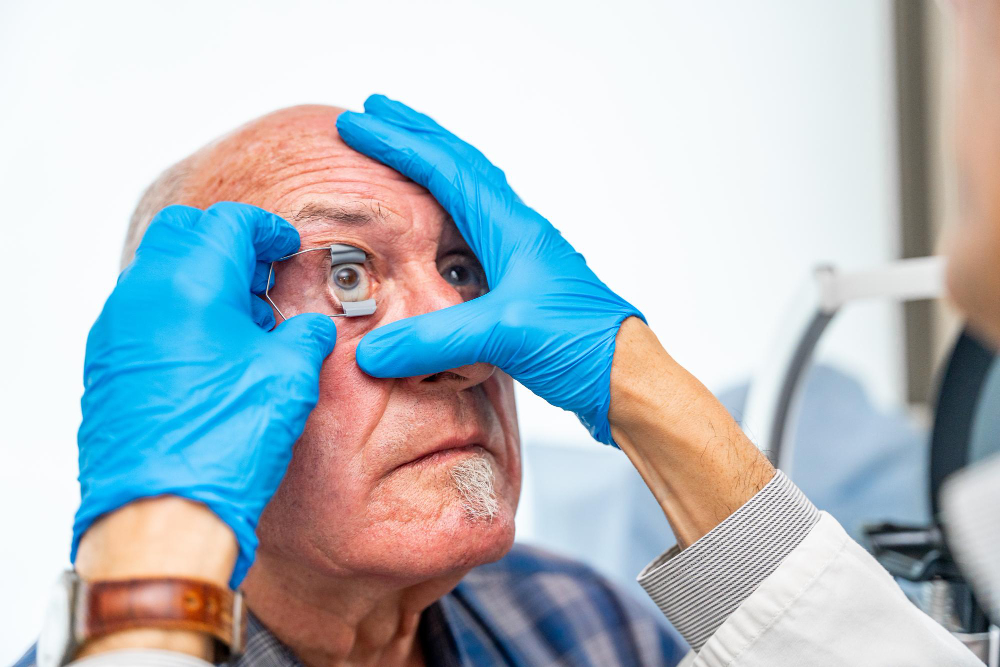
- Dilated eye exam: The doctor uses drops to widen your pupils and checks for changes in the retina.
- Optical coherence tomography (OCT): This scan shows detailed images of the retina.
- Fluorescein angiography: A special dye highlights blood vessels in the eye for closer examination.
Most experts, including the CDC, recommend yearly eye exams for people with diabetes. In some areas, mobile screening units or telemedicine may be available for easier access.
Treatment Options
Treatment depends on how severe the diabetic eye disease is. In early stages, controlling blood sugar, blood pressure, and cholesterol can slow the disease. However, if the condition is advanced, your doctor may suggest:
- Laser treatment: This helps seal leaking blood vessels and prevents new ones from growing.
- Injections: Medicines injected into the eye can reduce swelling and stop new blood vessels from forming.
- Vitrectomy: Surgery to remove blood or scar tissue from the eye, often used in severe cases.
With proper treatment, many people can keep their vision.
Prevention Tips and Lifestyle Guidance
While diabetic retinopathy cannot always be prevented, you can lower your risk. Here are some helpful tips:
- Keep your blood sugar levels in your target range
- Monitor and control blood pressure and cholesterol
- Have a healthy diet and exercise regularly
- Do not smoke
- Schedule regular eye exams, even if you have no symptoms
Additionally, following your doctor’s advice can help protect your eyes and overall health.
When to See an Eye Specialist
If you have diabetes, see an eye specialist at least once a year. However, if you notice sudden changes in your vision, such as blurriness, dark spots, or vision loss, seek help right away. Early treatment can prevent serious problems. Remember, regular check-ups are the best way to catch diabetic retinopathy early.
In conclusion, diabetic retinopathy is a serious but manageable condition. Consult an eye specialist at Rishab Eye Care Center for personalized advice and early detection of diabetic retinopathy.