What is Myopia?
Myopia, also known as nearsightedness, is a common eye problem. People with myopia can see nearby objects clearly. However, things far away look blurry. In recent years, myopia has become more common, especially in children and teenagers. According to the World Health Organization, myopia rates are rising worldwide. Because of this, it is important to know about myopia and how it affects eye health.
Symptoms of Myopia
Many people notice myopia symptoms at a young age. Yet, some may not realize they have it until later. Common signs include:
- Blurry vision when looking at distant objects
- Needing to squint to see clearly
- Headaches caused by eye strain
- Difficulty seeing the board at school or road signs while driving
- Frequent blinking or rubbing of the eyes
Sometimes, children may sit very close to the TV or hold books close to their face. This can also be a sign of myopia.
Causes and Risk Factors
Myopia happens when the shape of the eye causes light to focus in front of the retina, not on it. As a result, distant objects look blurry. Several factors can increase the risk of myopia:
- Family history: If parents have myopia, their children are more likely to get it.
- Too much close work: Reading, using computers, or looking at screens for long periods can raise the risk.
- Lack of outdoor time: Spending less time outside may increase the chance of developing myopia.
- Age: Myopia often starts in childhood and can get worse during teenage years.
Although these factors play a role, not everyone with them will develop myopia. Still, knowing the risks can help you take steps to protect your eye health.
How Myopia is Diagnosed
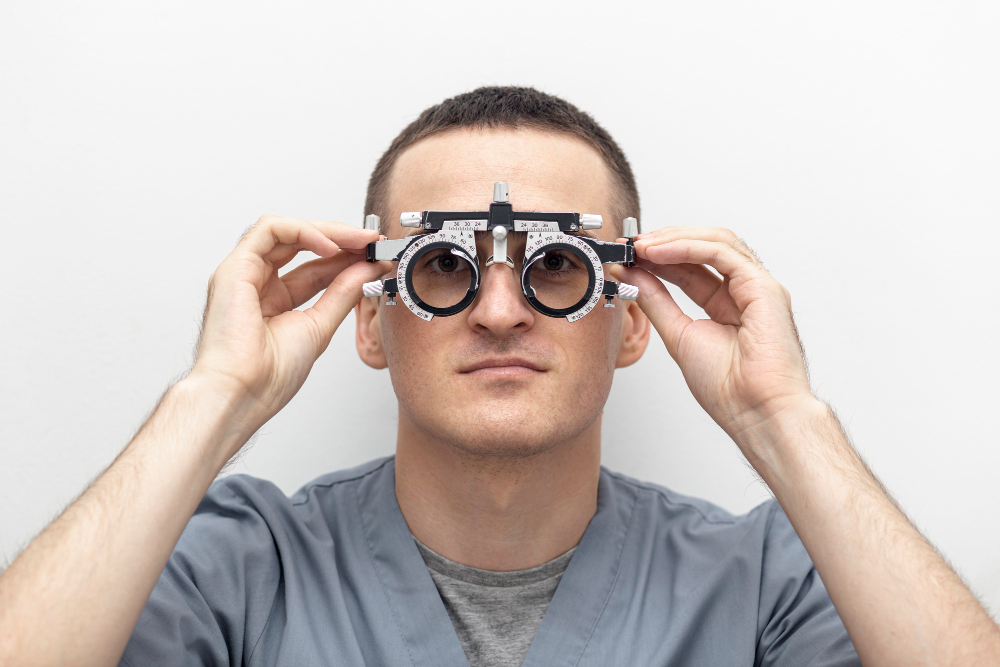
Eye doctors use simple tests to check for myopia. First, they ask about your vision and any symptoms. Next, they use an eye chart to see how well you can read letters from a distance. Sometimes, they use special tools to look at the shape of your eye. In some cases, they may put drops in your eyes to get a better look. These tests are quick and painless. Early diagnosis can help prevent further vision problems.
Treatment Options for Myopia
There are several ways to treat myopia. The right choice depends on your age, lifestyle, and how severe your myopia is. Common myopia treatments include:
- Eyeglasses: Most people use glasses to correct blurry distance vision.
- Contact lenses: These are thin lenses placed on the eye. They can be a good option for older children and adults.
- Refractive surgery: Procedures like LASIK can change the shape of the eye to improve vision. However, not everyone is a candidate for surgery.
- Specialty lenses: Some children may use special contact lenses or glasses to slow myopia progression.
Your eye doctor will help you choose the best treatment for your needs. According to the American Academy of Ophthalmology, regular check-ups are important for managing myopia.
Lifestyle Tips and Prevention
While you cannot always prevent myopia, healthy habits can help protect your eyes. For example, spending more time outdoors may lower the risk in children. Here are some simple tips:
- Take breaks from screens every 20 minutes
- Look at something far away for 20 seconds during breaks
- Make sure you have good lighting when reading or working
- Encourage outdoor play for children
- Get regular eye exams, even if you have no symptoms
Because early action can help, talk to your doctor if you notice any changes in your vision.
When to See an Eye Specialist
It is important to see an eye specialist if you or your child:
- Have trouble seeing distant objects
- Experience frequent headaches or eye strain
- Notice changes in vision
- Have a family history of myopia
Early visits can help catch myopia before it gets worse. Moreover, regular check-ups are key to keeping your eyes healthy.
In summary, myopia is a common condition that can affect people of all ages. However, with the right care and early treatment, you can manage it well. Consult Rishab Eye Care for personalized advice on myopia management.