
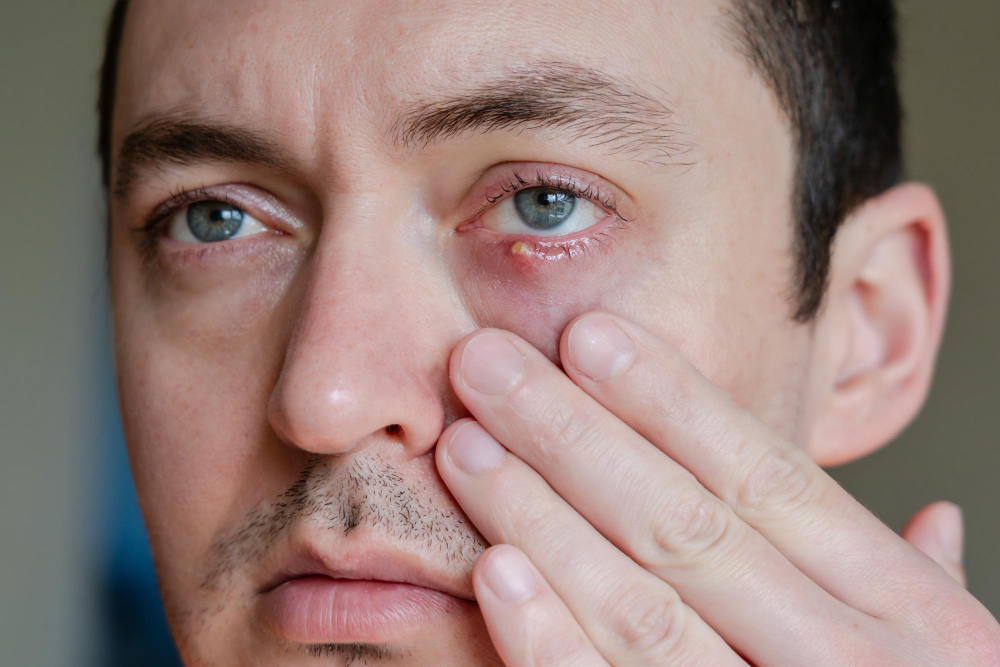
What is a Chalazion?
A chalazion is a small, painless bump that forms on your eyelid. It happens when a tiny oil gland in the eyelid gets blocked. Although it may look like a stye, a chalazion is not caused by an infection. Instead, it is a swelling due to trapped oil. Many people notice a chalazion as a lump that grows slowly. Often, it does not hurt. However, it can cause discomfort if it gets large or presses on the eye. Chalazion is a common eyelid problem and can affect people of all ages.
Causes of Chalazion
Chalazion develops when the oil glands in the eyelid, called Meibomian glands, become blocked. As a result, oil builds up and forms a lump. Several factors can increase the risk of getting a chalazion:
- Touching or rubbing your eyes often
- Having oily skin or certain skin conditions, such as rosacea
- Not cleaning your eyelids well
- Previous history of chalazion or styes
- Chronic inflammation of the eyelid (blepharitis)
Sometimes, stress or hormonal changes can also play a role. However, most chalazia are not linked to serious health problems.
Symptoms of Chalazion
At first, a chalazion may look like a small, red bump on the eyelid. Over time, it may grow larger and become more noticeable. Common chalazion symptoms include:
- A painless lump or swelling on the eyelid
- Mild tenderness or discomfort, especially if the bump gets bigger
- Redness or slight swelling of the eyelid
- Watery eyes or mild irritation
- Blurred vision if the chalazion presses on the eye
Usually, chalazion does not cause severe pain. But if the area becomes very red, painful, or swollen, it could be a sign of infection or another problem.
Diagnosis
Doctors can usually diagnose a chalazion by looking at your eyelid. During the exam, your eye specialist will:
- Ask about your symptoms and medical history
- Examine your eyelid closely
- Check for signs of infection or other eyelid issues
In most cases, no special tests are needed. However, if the bump does not go away or looks unusual, your doctor may suggest further tests to rule out other conditions.
Treatment Options
Many chalazia heal on their own within a few weeks. Still, some simple treatments can help speed up recovery. Here are common chalazion treatment options:
- Warm Compresses: Place a clean, warm cloth on your eyelid for 10-15 minutes, 3-4 times a day. This helps open the blocked gland and drain the oil.
- Gentle Eyelid Massage: After using a warm compress, gently massage the eyelid to help the oil flow out.
- Good Eyelid Hygiene: Keep your eyelids clean by washing them with mild soap or baby shampoo.
- Medications: If there is swelling or infection, your doctor may prescribe antibiotic or steroid eye drops.
- Minor Surgery: If the chalazion does not go away or is very large, your doctor may drain it with a small procedure.
Do not try to squeeze or pop the chalazion at home. This can make things worse or cause infection.
Prevention Tips
Although not all chalazia can be prevented, some simple steps can lower your risk. For example, you can:
- Wash your hands before touching your eyes
- Remove makeup before sleeping
- Clean your eyelids regularly, especially if you have oily skin
- Avoid rubbing your eyes
- Manage skin conditions like rosacea or blepharitis
By following these tips, you can help keep your eyelids healthy and reduce the chance of a chalazion forming.
When to See a Doctor
Most chalazia are not serious and heal with home care. However, you should see an eye specialist if:
- The lump does not improve after a few weeks
- The eyelid becomes very red, painful, or swollen
- You have trouble seeing
- You get frequent chalazia
- You notice changes in the color or shape of the bump
Early treatment can prevent complications and help you feel better sooner.
Frequently Asked Questions (FAQ)
- Is a chalazion contagious?
- No, a chalazion is not contagious. You cannot catch it from someone else.
- How long does a chalazion last?
- Most chalazia go away within 2 to 4 weeks with simple care.
- Can I treat a chalazion at home?
- Yes, warm compresses and gentle cleaning often help. But see a doctor if it does not improve.
- What is the difference between a chalazion and a stye?
- A stye is usually painful and caused by infection. A chalazion is a painless lump from a blocked gland.
- Will a chalazion come back?
- Sometimes, chalazia can return, especially if you have certain skin conditions. Good eyelid care can help prevent them.
If you notice symptoms of a chalazion, consult an eye specialist at Rishab Eye Care Centre for personalized advice. Early care can help you recover faster and protect your eye health.