
Introduction
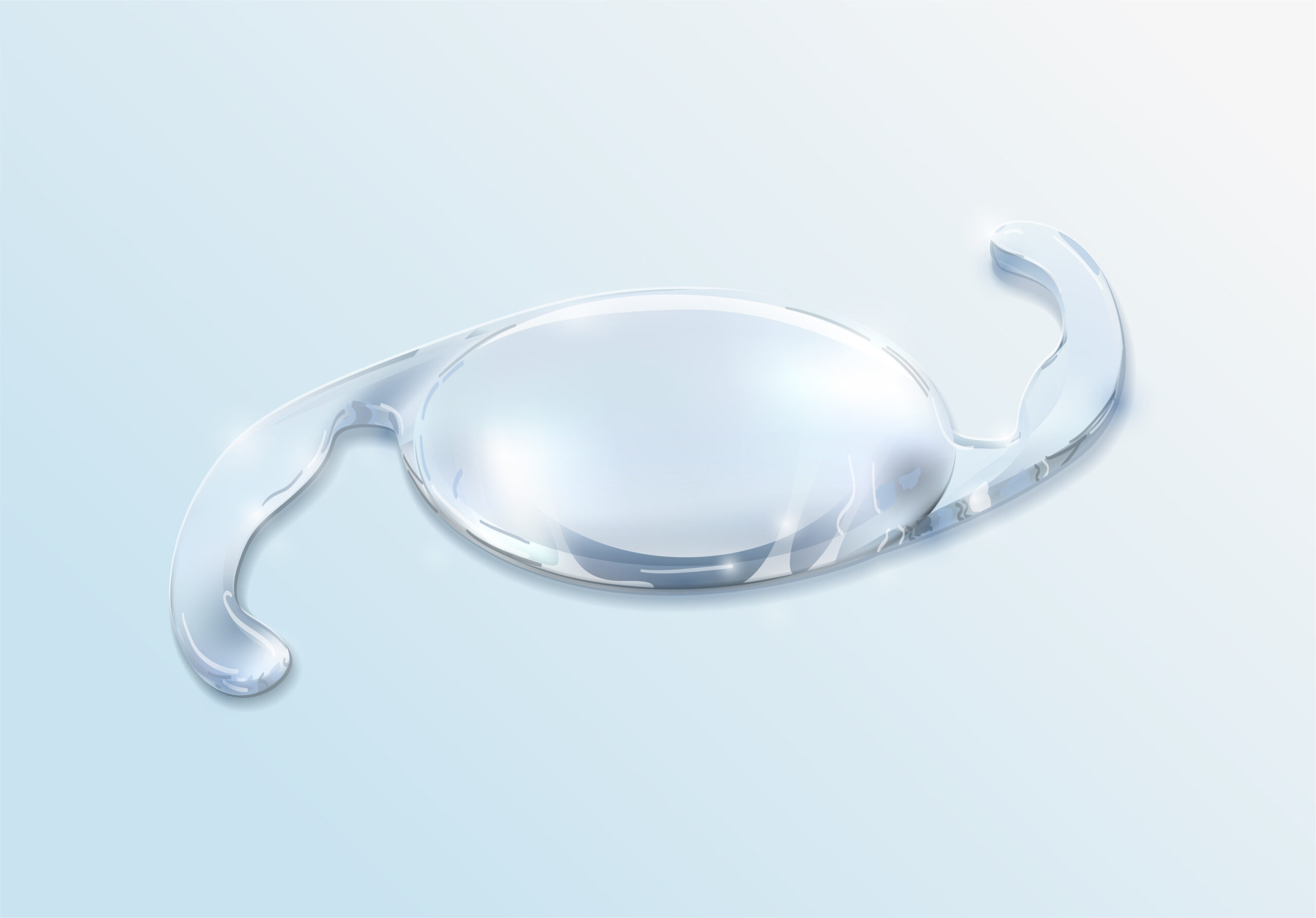
Intraocular lenses, or IOLs, are tiny artificial lenses placed inside the eye. Doctors use them most often during cataract surgery to replace the eye’s cloudy natural lens. There are several types of IOLs, each designed to help improve vision in different ways. Understanding the types of IOLs can help you make the best choice for your eyes and lifestyle.
What Are Intraocular Lenses (IOLs)?
Intraocular lenses are clear, artificial lenses. Surgeons place them inside the eye to replace a damaged or cloudy lens. Usually, IOLs are made from safe materials like silicone or acrylic. Because they are permanent, you do not need to remove or clean them. IOLs help restore clear vision after cataract surgery or sometimes for vision correction.
Why Are IOLs Used?
Doctors use IOLs mainly to treat cataracts. Cataracts cause the eye’s natural lens to become cloudy, leading to blurry vision. After removing the cloudy lens, the doctor places an IOL to restore clear sight. In some cases, IOLs can also help correct vision problems like nearsightedness, farsightedness, or astigmatism. As a result, many people see better and may rely less on glasses.
Main Types of IOLs
There are several types of IOLs available today. Each type has unique features and benefits. Let’s look at the main types:
Monofocal IOLs
Monofocal IOLs are the most common type. They focus at one distance, usually for clear distance vision. However, you may still need glasses for reading or close work. Because they are simple, monofocal IOLs are often covered by insurance.
Multifocal IOLs
Multifocal IOLs help you see at more than one distance. For example, you may see both near and far objects clearly. These lenses have special rings or zones that focus light at different points. While they reduce the need for glasses, some people notice halos or glare, especially at night.
Toric IOLs
Toric IOLs are designed for people with astigmatism. Astigmatism means the eye’s surface is uneven, causing blurry vision. Toric IOLs correct this problem and help you see more clearly. Still, you may need glasses for reading or close tasks.
Accommodative IOLs
Accommodative IOLs move or change shape inside the eye. Because of this, they help you focus at different distances, much like your natural lens. Although they can improve both near and far vision, some people may still need reading glasses.
Extended Depth of Focus (EDOF) IOLs
EDOF IOLs provide a continuous range of vision, from far to intermediate distances. They use advanced technology to stretch the focus point. As a result, you may need glasses only for very close work. EDOF lenses often cause fewer halos or glare than multifocal IOLs.
How to Choose the Right IOL
Choosing intraocular lenses depends on your vision needs and lifestyle. Here are some tips to help you decide:
- Think about your daily activities. For example, do you read often or drive at night?
- Consider if you want to reduce your need for glasses.
- Discuss your eye health and any conditions, like astigmatism, with your doctor.
- Ask about the benefits and risks of each IOL type.
- Check if your insurance covers certain lenses.
Above all, your eye specialist can guide you in choosing the best IOL for cataract surgery or vision correction.
Benefits and Limitations of Each IOL Type
- Monofocal IOLs: Reliable and often covered by insurance. However, you may need glasses for near tasks.
- Multifocal IOLs: Reduce the need for glasses at different distances. But, some people notice halos or glare.
- Toric IOLs: Correct astigmatism and improve clarity. Still, you might need glasses for reading.
- Accommodative IOLs: Offer a range of vision. Yet, some people may still need reading glasses.
- EDOF IOLs: Provide smooth vision from far to intermediate. Glasses may be needed for close-up work.
According to the American Academy of Ophthalmology, most people enjoy better vision after IOL surgery. However, results can vary based on eye health and the type of IOL chosen.
Frequently Asked Questions About IOLs
- Are IOLs safe? Yes, IOLs are safe and widely used. Complications are rare but can include infection or lens movement.
- How long do IOLs last? IOLs are designed to last a lifetime. You usually do not need to replace them.
- Can I choose any IOL? Your doctor will help you pick the best IOL based on your eyes and needs.
- What is the best IOL for cataract surgery? The best IOL depends on your vision goals, eye health, and lifestyle. Discuss options with your doctor.
- What is the difference between monofocal vs multifocal IOL? Monofocal IOLs focus at one distance, while multifocal IOLs help you see at several distances.
Conclusion
There are many types of IOLs to choose from, each with its own benefits. Because every eye is unique, it is important to talk with your eye specialist. Consult an eye specialist at Rishab Eye Care to discuss which type of IOL is best for your needs.