What is Dry Eye Disease?
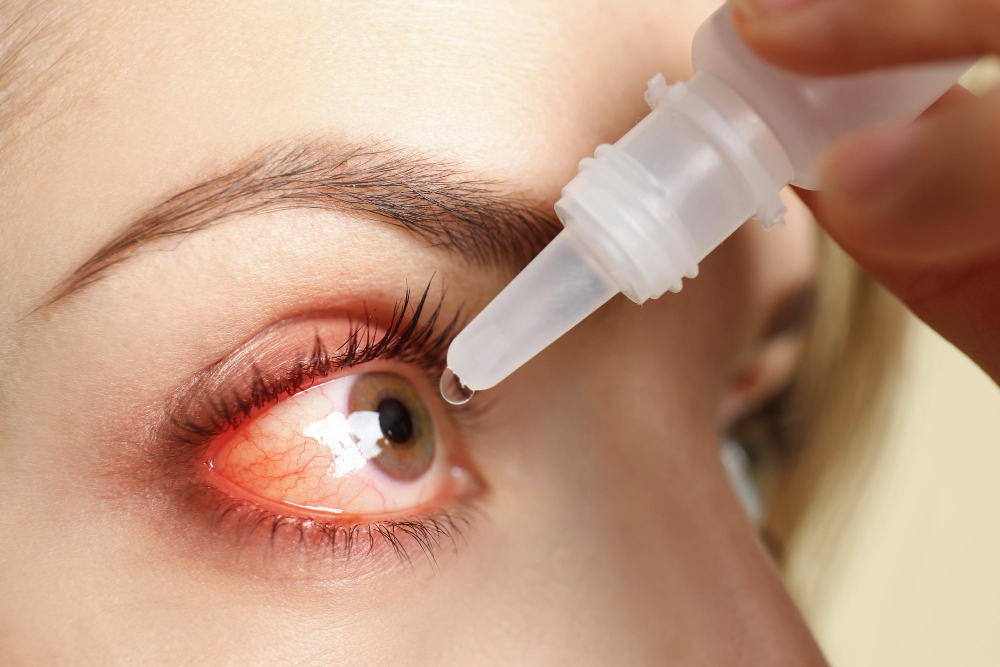
Dry eye disease is a common eye condition. It happens when your eyes do not make enough tears, or the tears dry up too quickly. As a result, your eyes may feel uncomfortable. In many places, dry eye disease is becoming more common due to screen use and pollution. Understanding this condition can help you protect your eyes and find relief.
Common Symptoms of Dry Eye Disease
Many people with dry eye disease notice certain signs. For example, your eyes may feel dry, gritty, or sore. Sometimes, you might feel like something is in your eye. Other symptoms can include:
- Red or irritated eyes
- Burning or stinging feeling
- Watery eyes (as a reaction to dryness)
- Blurred vision, especially after reading or using screens
- Sensitivity to light
However, not everyone has all these symptoms. If you notice any of them, it is important to pay attention.
Causes and Risk Factors
There are many reasons why dry eye disease can develop. Often, it is due to a problem with tear production or tear quality. Some common causes and risk factors include:
- Age (risk increases as you get older)
- Long hours on computers or phones
- Dry or windy environments
- Wearing contact lenses
- Certain medications (like allergy or blood pressure drugs)
- Medical conditions such as diabetes or arthritis
- Hormonal changes, especially in women
Additionally, living in cities with high pollution can make symptoms worse. Knowing your risk can help you take steps to protect your eyes.
How is Dry Eye Disease Diagnosed?
Eye doctors use several tests to check for dry eye disease. First, they will ask about your symptoms and medical history. Next, they may examine your eyes with a special light. Sometimes, they use dye drops to see how quickly your tears dry up. Other tests can measure how many tears your eyes make. Because dry eye symptoms can look like other problems, a proper diagnosis is important.
Treatment Options for Dry Eye Disease
There are many dry eye treatment options. The right choice depends on how severe your symptoms are. Some common treatments include:
- Artificial tears or lubricating eye drops
- Prescription eye drops to reduce inflammation
- Warm compresses and eyelid cleaning
- Special plugs to block tear drainage
- Adjusting medications that may cause dryness
In some cases, your doctor may suggest other treatments. For example, they might recommend light therapy or special contact lenses. Always follow your doctor’s advice for the best results.
Lifestyle Tips and Prevention
With a few changes, you can help prevent dry eyes or reduce symptoms. Here are some eye care tips for dry eye disease:
- Blink often, especially when using screens
- Take regular breaks from digital devices
- Use a humidifier to add moisture to the air
- Wear sunglasses outdoors to protect from wind and sun
- Stay hydrated by drinking enough water
- Avoid smoke and dusty places
Additionally, eating foods rich in omega-3 fatty acids may help. If you live in a dry or polluted area, take extra care of your eyes.
When to See an Eye Specialist
If your dry eye symptoms do not improve with home care, it is time to see an eye specialist. Also, if you have pain, sudden vision changes, or very red eyes, seek help right away. Early treatment can prevent more serious problems. Remember, only an eye doctor can give you a proper diagnosis and treatment plan.
References
- World Health Organization (WHO) – Eye Health
- Centers for Disease Control and Prevention (CDC) – Vision Health Initiative
- American Academy of Ophthalmology – Dry Eye Disease
- National Eye Institute – Dry Eye
For personalized advice on managing dry eye disease, consult an eye specialist at Rishab Eye Care Center.