
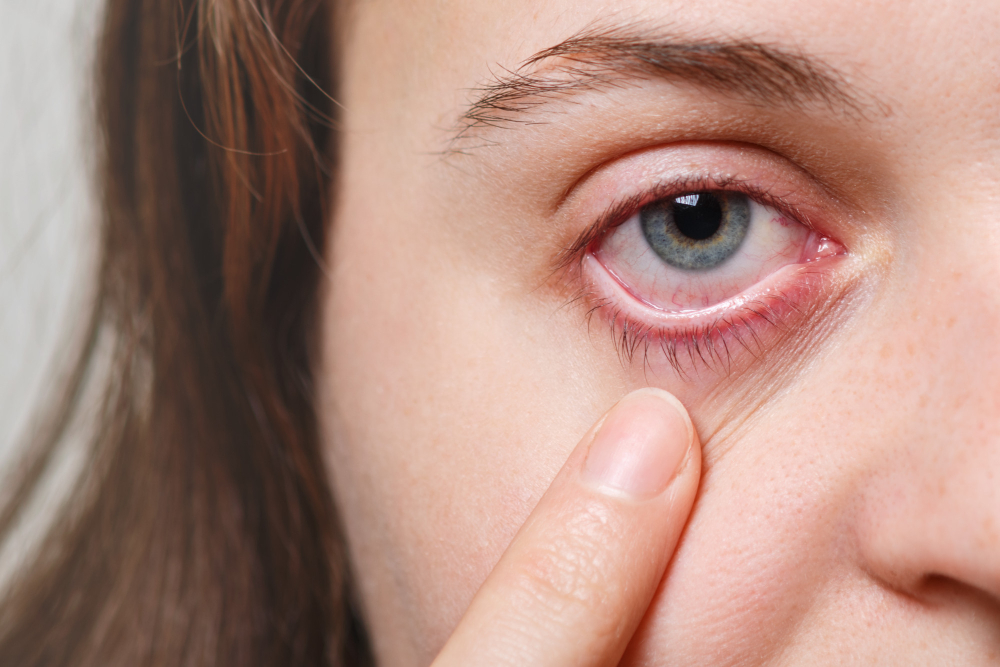
What is Keratoconus?
Keratoconus is an eye condition that affects the cornea, which is the clear front part of your eye. In keratoconus, the cornea becomes thin and starts to bulge outward, forming a cone shape. Because of this change, vision can become blurry or distorted. Early detection is important, as treatment can help protect your eye health and slow the condition’s progress.
Causes and Risk Factors
Doctors do not know the exact cause of keratoconus. However, several factors may increase your risk. For example, genetics can play a role, as the condition sometimes runs in families. In addition, frequent eye rubbing and certain medical conditions can raise your risk. Here are some common risk factors:
- Family history of keratoconus
- Chronic eye rubbing
- Allergies that cause itchy eyes
- Conditions like Down syndrome or Ehlers-Danlos syndrome
- Living in areas with high sunlight exposure
Because some risk factors are preventable, taking care of your eyes is important.
Common Symptoms
Keratoconus often starts during the teenage years or early adulthood. At first, you may not notice any problems. But as the condition gets worse, you might see changes in your vision. Look out for these symptoms:
- Blurry or distorted vision
- Increased sensitivity to light and glare
- Frequent changes in glasses or contact lens prescriptions
- Difficulty seeing at night
- Sudden worsening of vision in one or both eyes
If you notice these signs, it is important to see an eye doctor soon.
How Keratoconus is Diagnosed
Doctors use several tests to diagnose keratoconus. First, they will ask about your symptoms and family history. Next, they will check your vision and examine your eyes. Some special tests include:
- Corneal topography: This test maps the shape of your cornea.
- Pachymetry: This measures the thickness of your cornea.
- Slit-lamp exam: The doctor looks at your eye under a bright light.
Because early detection helps, regular eye exams are important, especially if you have risk factors.
Treatment Options
Treatment for keratoconus depends on how severe the condition is. While mild cases may only need glasses, advanced cases might need surgery. Here are common treatment options:
- Eyeglasses or soft contact lenses: These help correct mild vision changes.
- Rigid gas-permeable lenses: These special lenses help shape the cornea.
- Corneal cross-linking: This procedure uses light and vitamin drops to strengthen the cornea and slow the disease.
- Intacs: These are small implants placed in the cornea to help flatten its shape.
- Corneal transplant: In severe cases, doctors may replace the damaged cornea with a healthy one.
Because new treatments are always being studied, it is important to talk to your eye doctor about the best option for you. (Sources: American Academy of Ophthalmology, WHO)
Lifestyle Tips and Prevention
While you cannot always prevent keratoconus, some steps can help protect your eyes. For example, avoid rubbing your eyes, as this can make the cornea thinner. In addition, manage allergies to reduce itching. Here are some helpful tips:
- Do not rub your eyes
- Wear sunglasses to protect from UV rays
- Use allergy medicine if needed
- Get regular eye check-ups
- Follow your doctor’s advice for eye care
Because early care can slow the disease, these steps are important for eye health.
When to See an Eye Specialist
If you notice sudden vision changes, increased glare, or trouble seeing at night, see an eye specialist right away. Also, if you have a family history of keratoconus, regular check-ups are important. Early diagnosis can help protect your vision and slow the progress of the disease.
For personalized advice on keratoconus, consult an eye specialist at Rishab Eye Care Centre. Early care can make a big difference in your eye health.