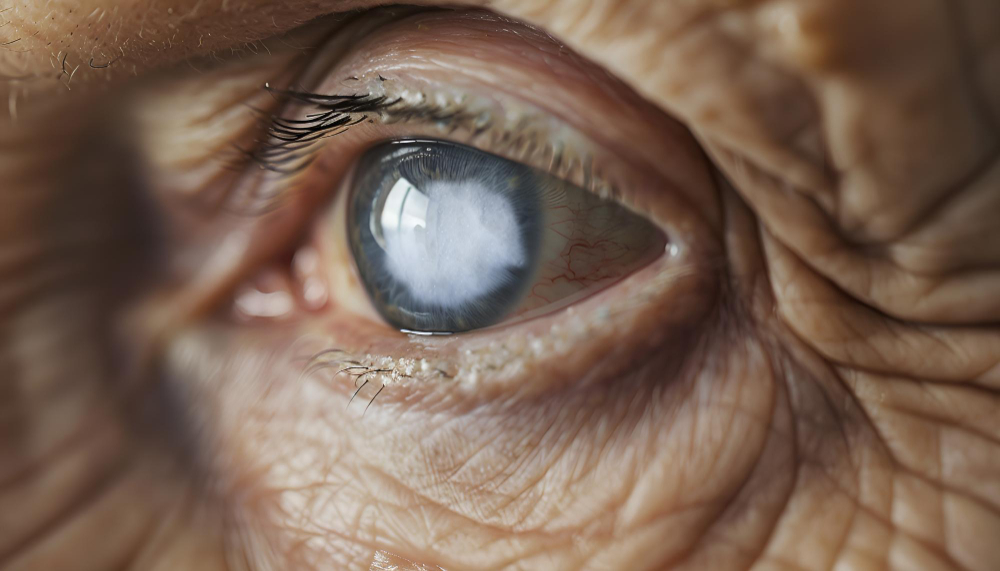
What is a Cataract?
A cataract is a cloudy area that forms in the lens of your eye. Because of this cloudiness, light cannot pass through the lens clearly. As a result, vision becomes blurry or dim. Cataracts are common, especially as people age. In fact, the World Health Organization (WHO) reports that cataracts are a leading cause of blindness worldwide. Although cataracts can affect anyone, they are most often seen in older adults. Early detection and treatment can help protect your vision.
Symptoms of Cataract
Cataract symptoms can develop slowly. Sometimes, you may not notice changes at first. However, as the cataract grows, vision problems become more obvious. Common signs include:
- Blurry or cloudy vision
- Colors that seem faded
- Difficulty seeing at night
- Increased sensitivity to light or glare
- Seeing halos around lights
- Frequent changes in eyeglass or contact lens prescription
- Double vision in one eye
If you notice any of these cataract symptoms, it is important to see an eye doctor. Early treatment can prevent further vision loss.
Causes and Risk Factors
Although aging is the main cause of cataracts, other factors can also play a role. For example, some people may develop cataracts after an eye injury. In addition, certain health conditions and lifestyle choices can increase your risk. Key causes and risk factors include:
- Getting older
- Family history of cataracts
- Diabetes
- Smoking
- Excessive alcohol use
- Long-term exposure to sunlight without eye protection
- Previous eye injuries or surgery
- Use of steroid medications
Because some risk factors can be controlled, making healthy choices may lower your chance of developing cataracts.
How Cataract is Diagnosed
Eye doctors use several tests to diagnose cataracts. First, they will ask about your symptoms and medical history. Next, they will perform a thorough eye exam. Common tests include:
- Visual acuity test: Measures how well you see at different distances
- Slit-lamp exam: Uses a special microscope to check the front of your eye
- Retinal exam: Allows the doctor to see the back of your eye after dilating your pupils
Because these tests are quick and painless, you should not worry. Early diagnosis helps you get the right treatment before vision loss becomes severe.
Treatment Options for Cataract
At first, cataract symptoms may be mild. In these cases, new glasses or brighter lighting may help. However, as the cataract grows, surgery is often needed. Cataract surgery is a safe and common procedure. During surgery, the cloudy lens is removed and replaced with a clear artificial lens. Most people see better soon after surgery. According to the CDC, cataract surgery has a high success rate. In fact, it is one of the most effective eye surgeries available.
Although surgery is the only way to remove a cataract, regular eye exams can help track changes. Your eye doctor will let you know when surgery is needed.
Prevention and Lifestyle Tips
While not all cataracts can be prevented, some steps may help protect your eyes. For example, you can:
- Wear sunglasses that block UV rays
- Eat a healthy diet rich in fruits and vegetables
- Avoid smoking
- Limit alcohol use
- Manage health conditions like diabetes
- Have regular eye exams, especially after age 60
Because early action makes a difference, talk to your doctor about your risk. Simple lifestyle changes can help keep your eyes healthy for years to come.
In summary, cataracts are a common eye problem, but they can be managed. Consult an eye specialist at Rishab Eye Care Centre for personalized advice on cataract prevention and treatment.